
G7 Leaders Welcome Iran Pact as Trump Sees Oil Plummeting
Group of Seven leaders welcomed the US-Iran peace agreement in a joint statement issued on Monday, June 15, 2026 as the 52nd G7 summit opened in Evian-les-Bains, France, with President Donald Trump and French President Emmanuel Macron framing the deal as the central diplomatic outcome of the summit's opening day, France 24 reported in its summit coverage. The leaders of the United Kingdom, France, Germany, Italy, and Canada called the deal a moment of opportunity to restore regional stability and stabilize the global economy.
Macron opened the bilateral session with Trump by congratulating the US president for finding a way to the agreement. The French president framed the deal in the most directly positive language a G7 host has used to characterize a Trump-era US foreign-policy outcome:
It's a very important step for peace of the whole world.
Trump matched the tone with a market-reaction frame, telling reporters that a lot of great things are going to happen in the Middle East right now, the oil price is plummeting down, and the stock market is shooting up like a rocket today. Brent crude opened the Monday session at about eighty-four dollars per barrel.
The structural shape of the joint G7 statement is the operational element the European Council communications team has been working through across the past forty-eight hours. The joint endorsement, signed by Macron, Keir Starmer, Friedrich Merz, Giorgia Meloni, and Mark Carney alongside Trump, represents the strongest collective G7 endorsement of a Trump-administration foreign-policy outcome since the January 2025 inauguration.
The Strait of Hormuz reopening is the most directly market-moving element of the deal. The strait carries roughly twenty percent of the global oil supply under normal conditions. The deal includes immediate naval-blockade removal, with the formal signing ceremony scheduled for Friday, June 19 in Switzerland.
The Macron agenda outline for the summit's three-day window placed four operational priorities at the head of the leader-level conversation. The first is the assessment of the consequences of the agreement. The second is support for Lebanon. The third is the lasting reopening of the Strait of Hormuz. The fourth is the conclusion of an accord on nuclear and ballistic activities in Iran.
The fifth Macron priority, which sits underneath the four direct Iran-deal elements, is the diversification of energy routes from the region. The French president framed the diversification as a longer-cycle European energy-security project that the post-2022 Ukraine-war calendar has been driving across the back half of the calendar.
The market reaction Trump referenced in his opening-session statement matches the Brent crude price action across the Friday-to-Monday window. The international benchmark opened the Monday session at approximately eighty-four dollars per barrel, down from the ninety-dollar pre-deal-announcement level. The S&P 500 traded higher across the early-Monday session.
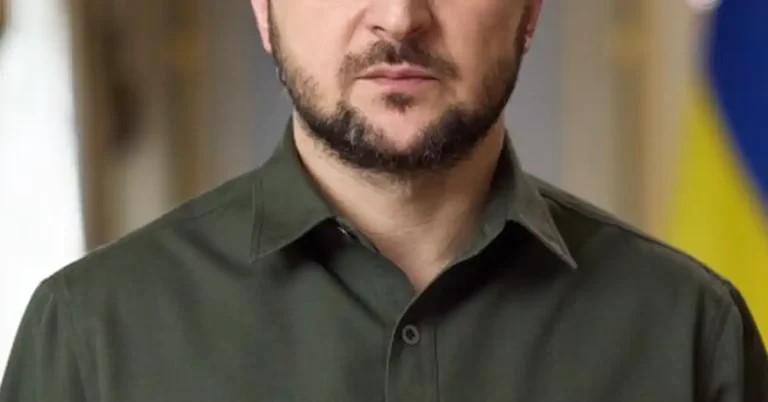
The Ukraine track that sits alongside the Iran agenda is the second operational element the summit working sessions will be parsing through the Tuesday and Wednesday cycle. Ukrainian President Volodymyr Zelensky is scheduled to join Tuesday's working session on Building Peace and Security for Ukraine and Europe, with the air-defense supplement and tightened-sanctions package the most likely deliverables.
The closing-communique question that the summit's final-day press cycle will resolve runs alongside the day-by-day bilateral framework Macron has set up. French officials have signaled that the summit will produce narrower joint statements rather than a single sweeping communique. The Iran agreement endorsement that Monday's joint statement produced is the first of those narrower deliverables.
What sits ahead is the Tuesday working session and the Wednesday closing-day press conferences. The Versailles dinner that Macron has offered to host on Wednesday evening represents the closing ceremonial element of the summit and was positioned by the French presidency as an incentive for Trump to remain through the full three-day window. Whether Trump stays through Wednesday or departs earlier will shape the late-cycle closing-statement architecture.