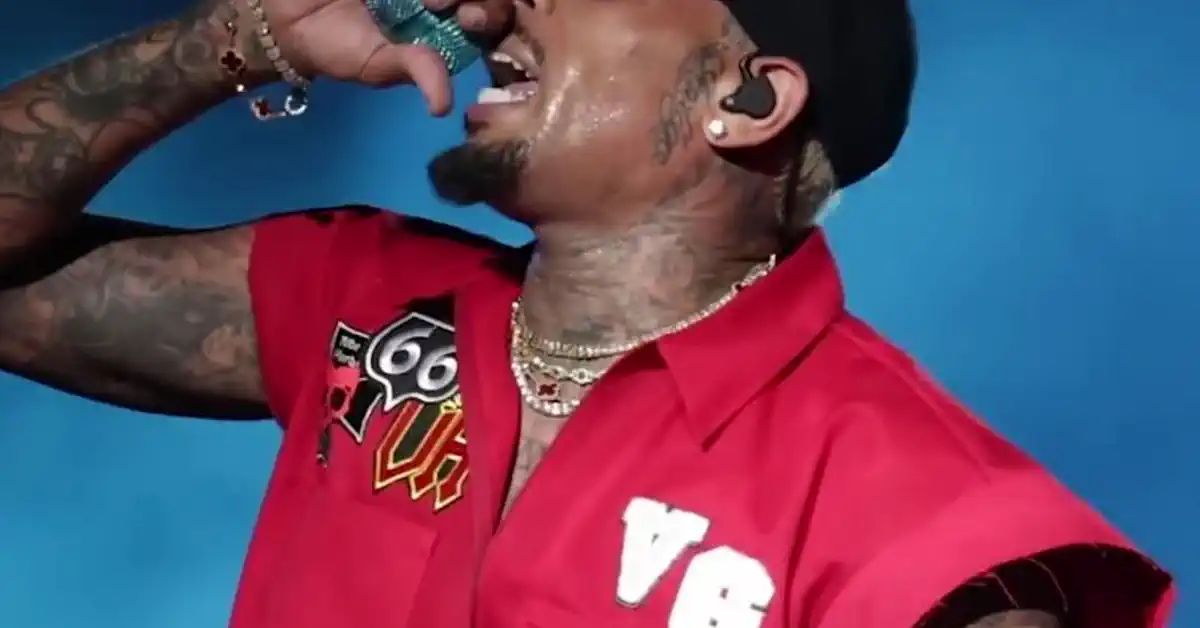
Chris Brown Dog Bite Trial Ends in Mistrial Over Juror Error
A Los Angeles Superior Court judge declared a mistrial on Tuesday, June 16, 2026 in the ninety million United States dollar civil lawsuit brought against singer Chris Brown by his former housekeeper Maria Avila, TMZ reported from inside the courtroom. The reason was juror misconduct involving outside internet research and sharing of that material with fellow jurors.
Brown was scheduled to be the first witness in the civil case when Judge Huey P. Cotton declared the mistrial and dismissed the panel. The singer had arrived in court ready to defend himself against Avila's claim that one of his dogs viciously mauled her while she took out the trash at his Los Angeles home.
Cotton ordered Brown back to court on Thursday morning, with new jury selection starting from a pool already assembled downstairs. Brown's legal team had asked for another delay so the singer could fly to Las Vegas Tuesday night to visit his newborn son, but the court declined the extension.
Unfortunately, one of the jurors has violated my admonitions against searching the internet for information, and not only that, but he also shared it, and as a consequence, I have to declare a mistrial.
That ruling from Judge Cotton, delivered from the bench in open court Tuesday morning, ended the trial that had launched Monday with the standard opening-statements-and-witness-call sequence. The juror misconduct involving outside internet research and case-information sharing among the panel is the classic mistrial-trigger factor that California civil procedure recognizes as grounds for full restart.
Maria Avila's underlying lawsuit, filed in 2024, alleges emotional and physical injury from a dog attack at Brown's Tarzana home, with the damages claim built around the ninety million United States dollar figure that the trial would have litigated. The trial had been the subject of pre-trial motion practice across multiple months, with the Brown defense team seeking to exclude both the prior twenty-thousand United States dollar settlement payment from Brown to Avila and any reference to the 2009 Rihanna domestic-violence incident.
The Cotton-court pre-trial ruling had granted Brown's motion to exclude the Rihanna assault reference and had partially granted the motion to exclude the prior settlement payment, with both rulings shaping the structural framework the now-mistrial trial would have run inside. The post-mistrial restart will use the same pre-trial ruling framework when the new jury selection begins.
Brown's parallel criminal calendar continues to include the United Kingdom nightclub assault case where the singer pleaded not guilty in June 2025, with the trial set for 2026. The combination of the United States civil case and the United Kingdom criminal case has placed the singer inside an extended legal-press cycle across the post-2024 period.
The newborn son in Las Vegas that Brown's legal team referenced in the post-mistrial delay request is the singer's third child and his first with current partner Diamond Brown. The Brown family's three-child structure across multiple partnerships has been a recurring element of the broader press cycle the singer has been working through across the recent period.
The civil-case framework that the dog-bite lawsuit operates inside is the California negligence-and-premises-liability track that places the burden on Avila to demonstrate Brown's responsibility for the dog's behavior, the foreseeability of the attack, and the causal connection between Brown's conduct and the documented injuries. The mistrial restart will work through the same elements with the new jury.
On the broader celebrity-civil-litigation track, the Brown case sits inside the same post-2020 pattern of major civil lawsuits against high-profile entertainment figures that has worked through the broader trial-press cycle. The post-mistrial restart calendar will determine when the case actually reaches a fact-finding verdict, with the Thursday return date setting up the new jury selection cycle.
What sits ahead is the Thursday morning jury-selection restart, the rescheduled opening-statements cycle that will follow the new panel impaneling, and the broader question of whether the trial-cycle restart produces a different outcome than the original trial would have. The post-mistrial restart adds an estimated additional two to three weeks to the case calendar before fact-finding can resume.