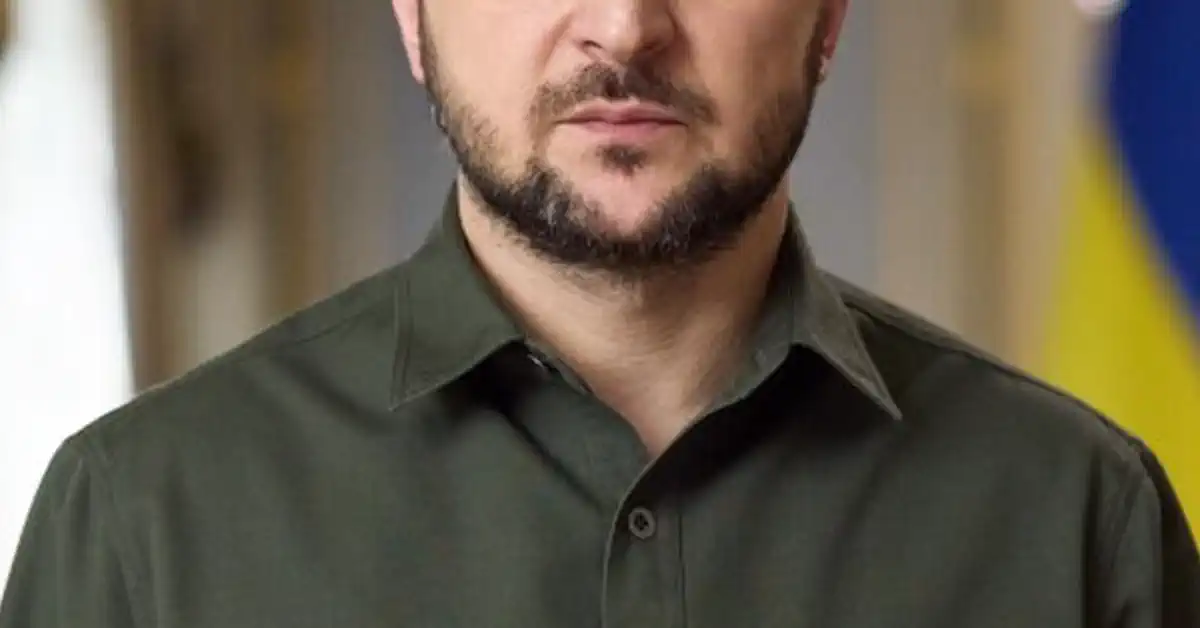
Zelensky Brings Ukraine Push to G7 Tuesday Special Session
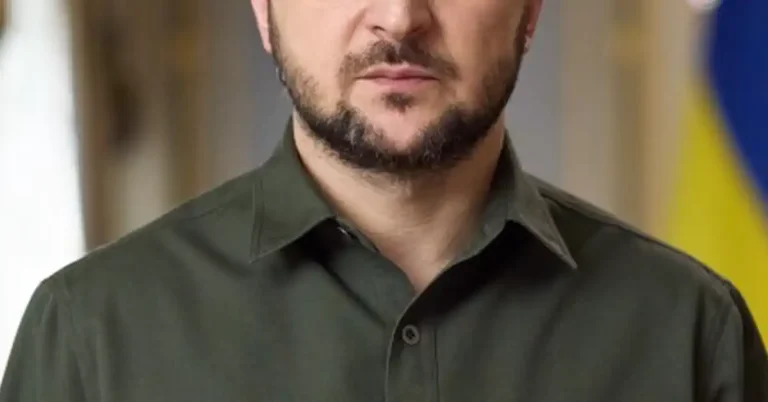
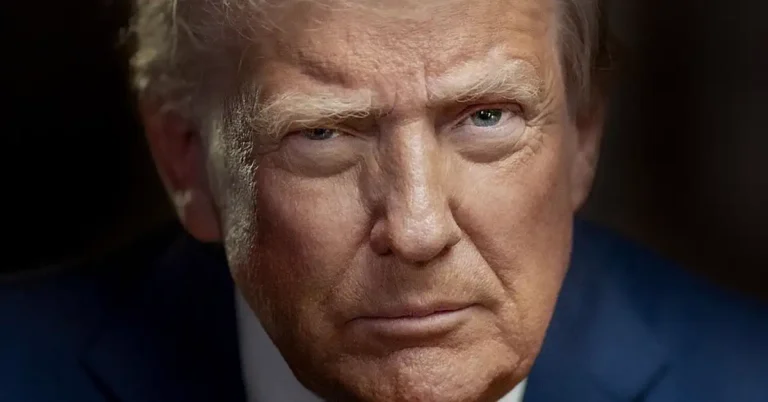
Volodymyr Zelensky joined G7 leaders at Evian-les-Bains on Tuesday, June 16, 2026 for a special Ukraine session that French President Emmanuel Macron framed as the second-day operational anchor of the summit's three-day agenda, the Kyiv Post reported in its pre-session preview. The Tuesday morning slot places the Ukrainian president at the head of the discussion alongside President Donald Trump, Keir Starmer, Friedrich Merz, Giorgia Meloni, Mark Carney, and Macron.
Macron set the framing for the Tuesday session in his pre-summit briefing in the most direct terms a host head-of-state has used to describe the Ukraine question at the G7 across the post-2022 Russia-invasion cycle:
Then, on Tuesday morning, we will hold a discussion on Ukraine with President Zelenskyy, and this is very important for us because we need to restore unity within the G7 in support of Ukraine on various aspects of the war, including both support for negotiations and long-term support.
The Tuesday-morning agenda places Zelensky's diplomatic positioning at the head of the second-day session as the central deliverable. The Ukrainian president is expected to propose a tightened secondary-sanctions framework around Russian energy export windows and a renewed air-defense supplement to the package signed at the 2025 Kananaskis G7 cycle.
The structural shape of the Tuesday session is the operational element the European Council communications team has been working through across the post-Monday-bilateral cycle. The session will run as a working-format conversation rather than the formal closing-communique track the summit had originally been positioned around.
The G7 leaders are expected to forgo a unified joint communique for the second consecutive year. The Evian summit will instead produce area-specific outcome documents on correcting global economic imbalances and strengthening supply chains for critical minerals.
The Ukraine-track deliverable that the Tuesday session is expected to produce centers on the air-defense supplement and the secondary-sanctions framework around Russian energy. Whether the seven leaders sign a binding supply commitment or a softer political declaration will be the most-watched outcome of the Tuesday afternoon session closing.
The Trump positioning on Ukraine has shifted across the post-Iran-deal cycle, with the Monday Macron-Trump bilateral framing the Iran agreement as the operational success the president wanted to bring to the summit. Whether that momentum carries into a substantive Tuesday Ukraine commitment is the central political question of the day-two cycle.
Zelensky's pre-session preparation has included separate phone calls with Trump and with Russian president Vladimir Putin in the days leading up to the summit. The Ukrainian president had reportedly extended a Tuesday-sidelines meeting offer to Putin that Russia declined.
The European leaders' agenda for the Tuesday session focuses on restoring the G7's collective unity around Ukraine after a year of friction with the Trump administration over the war's trajectory and the appropriate Western response. Macron's pre-session framing places that unity-restoration goal at the operational center.
The closing-communique question that the summit's final-day press cycle will resolve runs alongside the Wednesday closing-day cycle. French officials have signaled the summit will produce the narrower area-specific joint statements that the Iran agreement endorsement from Monday represents the first of.
What sits ahead, beyond the Tuesday Zelensky session, is the Wednesday closing-day press conferences and the Versailles dinner Macron has scheduled for Trump that evening. Whether Trump remains through the full Wednesday window or departs early to manage the post-Iran-deal Washington calendar will shape the closing-statement architecture the summit produces.