Trump Tells Fox News Iran Missile Attacks Hurt Negotiations
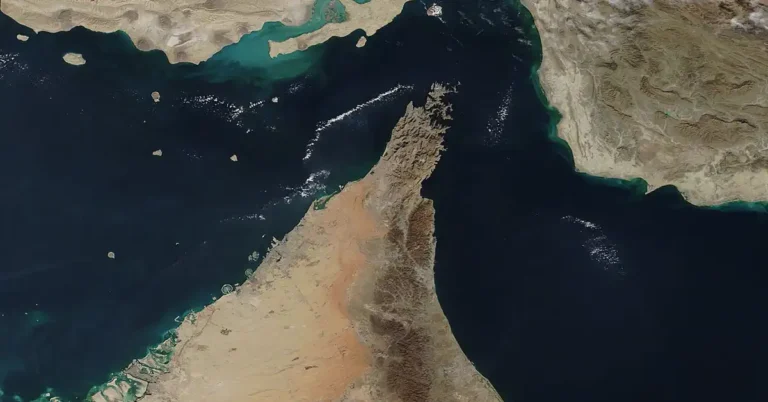
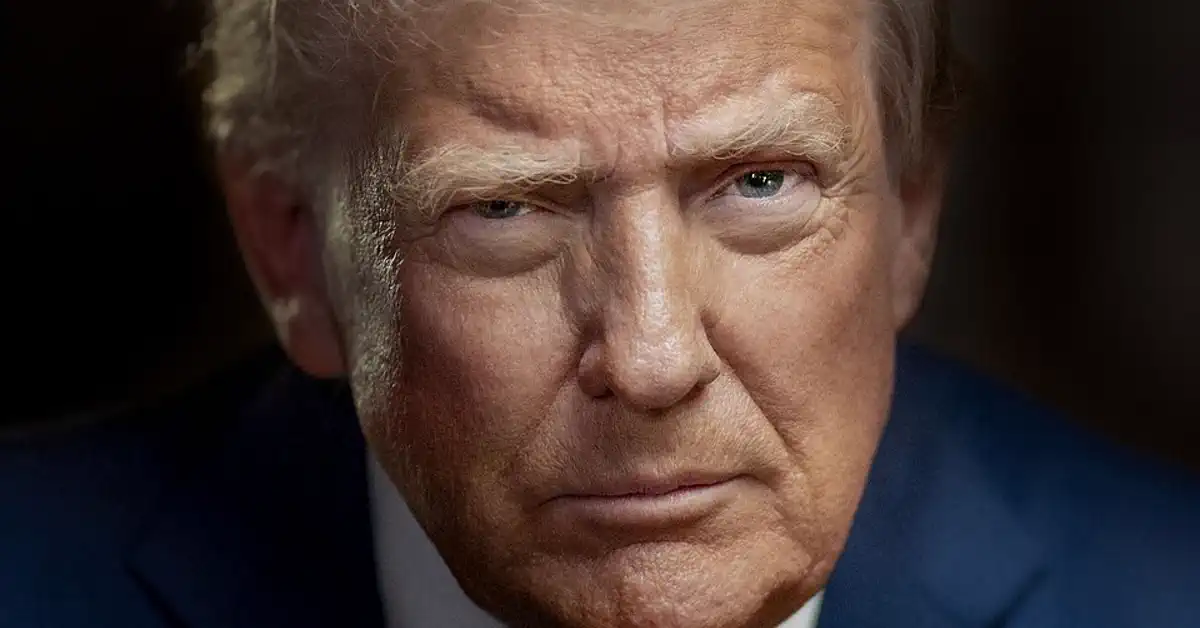
President Donald Trump told Fox News on Sunday, June 14, 2026, that the recent Iranian missile attacks across the Persian Gulf are CBS News reported, in his words,
certainly not going to help negotiations.
The framing is the strongest pushback the administration has offered since the April ceasefire between the United States and Iran was reached, and lands inside a weekend that produced fresh test-strikes against the diplomatic architecture that has held since April second.
The current state of the talks is the part the State Department has been least willing to discuss on the record this week. The April ceasefire framework, which the White House sold publicly as a fourteen-point agreement that included the release of approximately twenty-four billion dollars in frozen Iranian financial assets, has held in headline form since the second, but the operating reality on the ground has been a series of small-scale incidents that have moved Iranian and American escalation calibrations week by week. The June eight Israeli and Iranian exchange across the Lebanese border was the largest of these and is the proximate event behind the Sunday remarks.
The internal-administration framing has shifted in private over the last seventy-two hours. A White House official told MS NOW that the recent negotiations have, in the official's words, exposed a fundamental miscalculation about the willingness of Iran to restart the conflict, and the line is consistent with the briefing the National Security Council has been giving to congressional committees this week. The president's Sunday Fox News appearance is the first public alignment with that framing, and it represents a meaningful step away from the more conciliatory line he had been holding through the end of May.
Inside Iran, the political calculus around the agreement has been shaped by the Mehr News draft that surfaced on Friday. The semi-official outlet published what it characterized as the fourteen-point draft of the agreement Friday, and the publication itself, regardless of the diplomatic accuracy of the text, is a domestic Iranian signal that hardliner factions are pushing for transparency on a deal the supreme leader's office has kept publicly opaque. The release-of-frozen-assets clause is the highest-value item for the Iranian negotiating side and is the part hardline domestic critics have been most willing to defend in public.
The Israeli posture is the third variable shaping the weekend story. Prime Minister Netanyahu's Likud-coalition government has framed the June eight exchange as a defensive operation rather than an escalation, but the timing of Israeli air activity against southern Lebanon coincided with the Iranian missile launches in a way that the White House has been unable to disentangle in real time. The trilateral coordination the Biden administration had established through 2024 has been replaced by a more bilateral US-Iran channel under Trump, and the Israeli side has been signaling for several weeks that it considers the channel insufficiently coordinated with its security calendar.
What sits ahead is the United Nations Security Council session scheduled for Tuesday, June sixteenth. The session was placed on the calendar before the weekend's developments and will become the first public diplomatic venue at which all parties can speak to the same audience since the April framework. The US ambassador to the UN is expected to present the administration's read of the Friday Mehr News draft and the weekend exchanges, while the Iranian foreign minister is scheduled to deliver remarks via video link. Whether the Tuesday session produces a recalibration of the talks or a public hardening of positions will frame the rest of the June diplomatic calendar.