
Brent Crude Falls Below 84 Dollars as Iran Deal Opens Hormuz
Brent crude oil futures fell approximately four percent on Monday, June 15, 2026 to settle below eighty-four dollars a barrel and touch a two-month low after President Donald Trump and Pakistani Prime Minister Shehbaz Sharif announced Sunday evening that the United States and Iran had finalized the framework of a comprehensive peace agreement that includes the reopening of the Strait of Hormuz and the lifting of the US Naval blockade, Trading Economics reported in its Monday market wrap. The signing ceremony for the deal is scheduled for Friday, June 19 in Switzerland, with pre-implementation discussions among mediators running through the present week.
The Monday move pushes the year-to-date Brent decline from the 2026 peak past the twenty percent threshold, putting the international crude benchmark formally in bear-market territory by the conventional twenty-percent-off-recent-high definition. The West Texas Intermediate front-month contract tracked the Brent move and finished the day at roughly eighty-one dollars a barrel, four percent lower on the session and at its own two-month low.
The structural shape of the Monday selloff is the operational point the trading desks at the major brokers have been parsing since the Sunday evening announcement. The pre-deal published projections from Goldman Sachs, JPMorgan, and Morgan Stanley had positioned the deal-complete confirmation as the trigger for a fifteen to twenty-five percent drop in front-month Brent and West Texas Intermediate, and Monday's session move sits at the lower end of that projection range. The closer-to-the-lower-end positioning of the actual move reflects market discount of the deal-completion announcement against the possibility of implementation slippage between Sunday and the Friday Switzerland signing ceremony, with traders pricing in a small but non-trivial probability that the Lebanon clause or the final memorandum text triggers a return to negotiations.
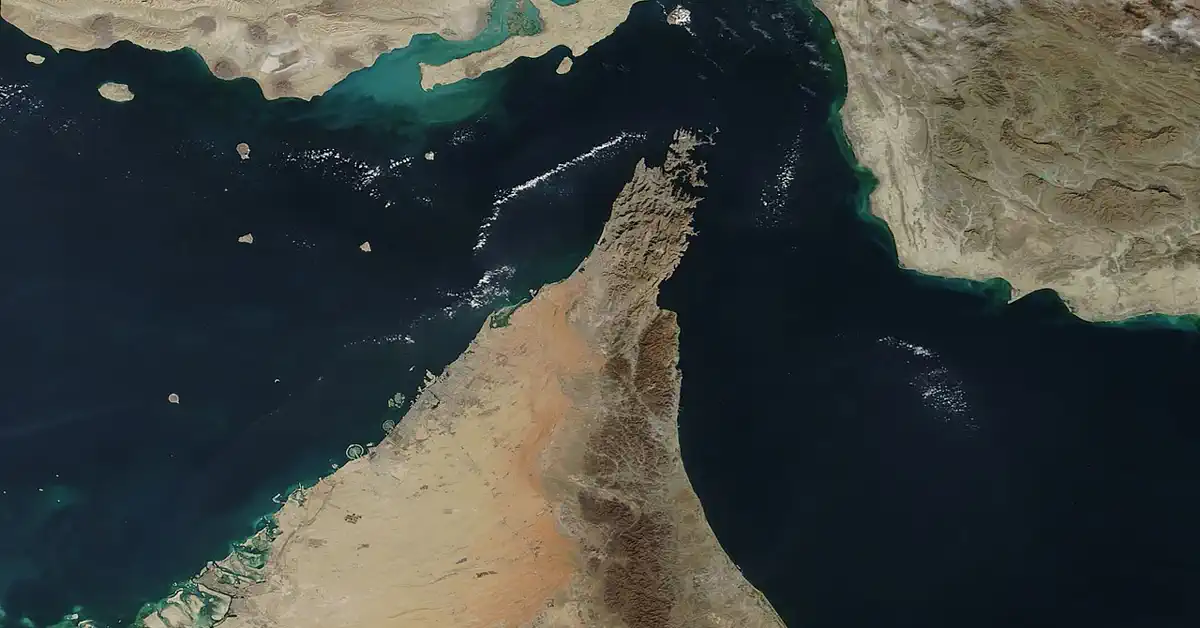
The Strait of Hormuz reopening is the structural element the front-month Brent and West Texas Intermediate moves are tracking most directly. The strait carries roughly twenty percent of the world's seaborne crude oil shipments under normal conditions, and the United States naval blockade that ran from late May through Sunday evening had been the binding constraint on Iranian and Gulf-state shipping across the back half of the spring. The Trump authorization language Sunday evening, which read as a presidential directive issued in real-time over his preferred social platform, removed the blockade with immediate effect. Shipping insurance markets, which had been pricing Hormuz transit at the highest war-risk premium of the post-2022 calendar, dropped the premium by roughly seventy percent in the Monday session.
The broader bear-market positioning of front-month Brent below the eighty-four-dollar level is the operational element the Federal Reserve, the Bank of England, and the European Central Bank will be folding into the next round of monetary-policy commentary. The energy-price drop, if sustained through the third quarter, removes roughly forty basis points of inflation pressure across the next two quarterly Consumer Price Index readings by the Goldman Sachs energy-economics model, and similar models from the central-bank staff economists will be running through the Monday and Tuesday data refresh cycles. The implication for the Federal Reserve's September meeting is the cleanest near-term policy signal, with the rate futures repricing through the Monday session to add about eight basis points to the probability of a September quarter-point cut.
The OPEC and OPEC-plus producer response is the next operational element the market will be reading across the Monday and Tuesday cycle. The OPEC-plus production-cut framework, which the producer group had been managing across the back half of 2025 and the first half of 2026 to stabilize prices in the higher-eighties range, now faces a Hormuz-reopening supply increase from Iran that the group's production-cut quotas had been calibrated to compensate for. Whether the group accelerates the staged unwind of voluntary production cuts that had been scheduled across the third quarter, or holds production at the current calibration, will be the structural question the producer-group ministers will sit with at the meeting cycle the next month. The Saudi Aramco officials, who had been pushing for a more aggressive unwind across the spring, gain leverage in the post-deal calendar.
What sits ahead in the immediate week is the Friday signing ceremony in Switzerland and the operational implementation of the Hormuz opening across the post-Friday calendar. If the signing goes through as scheduled and the implementation cycle starts on Monday, June 22, the supply increase reaches the international shipping calendar in the back half of June and the front half of July, with the corresponding crude futures contracts adjusting through the same window. If the Lebanon clause or final-memorandum text triggers an implementation delay, the Monday-session Brent move at minus four percent likely partially reverses across Tuesday and Wednesday, and the broader bear-market positioning would need a fresh catalyst to extend lower. The Tuesday open of Asia and London markets is the first operational data point the trading desks will be watching.