Kevin Warsh Opens First Fed Meeting With Rate Hold Expected
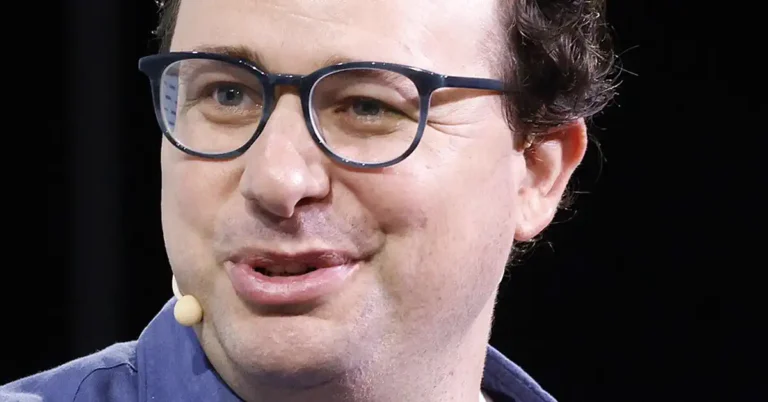
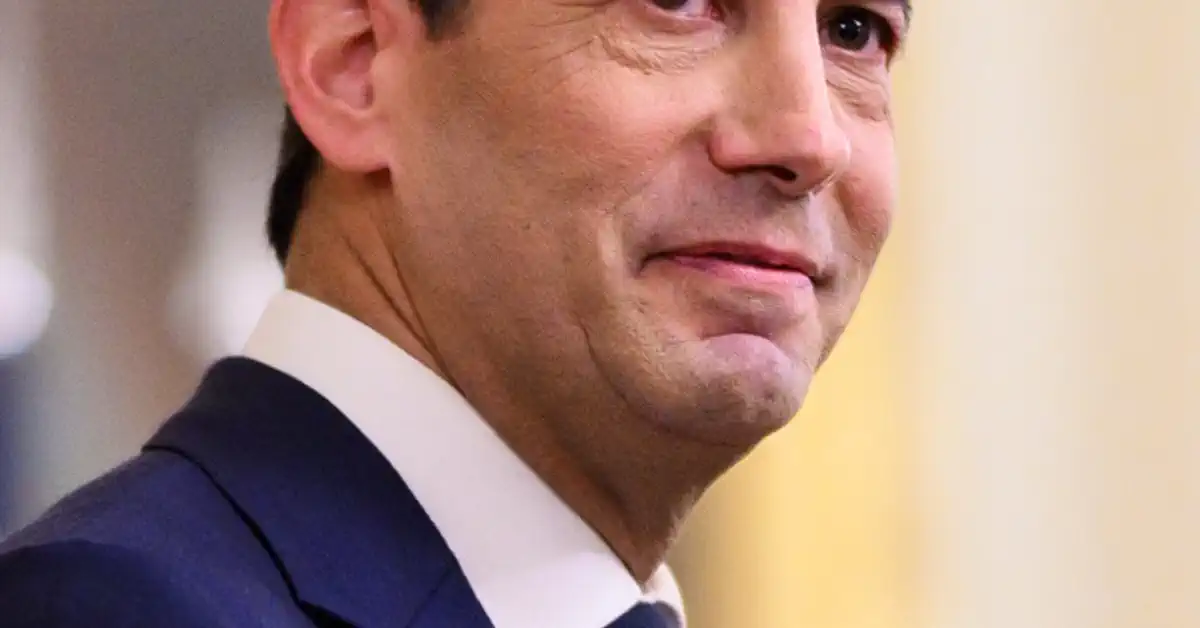
Federal Reserve Chair Kevin Warsh opens his first Federal Open Market Committee meeting on Tuesday, June 16, 2026, with markets pricing in a hold at the current 3.50 to 3.75 percent target range ahead of the Wednesday afternoon rate-decision announcement, FXStreet reported in its Monday market preview. The decision lands Wednesday at two o'clock Eastern.
Warsh, sworn in as Federal Reserve Chair on May 22, 2026, replaces Jerome Powell, whose four-year term as chair ended in May. The transition has reset the post-Powell market communication framework into a less-telegraphed forward-guidance style in advance of this week's meeting.
CME FedWatch futures-market pricing places approximately sixty-five percent odds on the funds rate holding through year-end, with no cuts priced into the post-June cycle. The same pricing was set across the late May window and has held through the post-Warsh-confirmation window into the meeting.
The economic backdrop the committee meets against keeps inflation above the two percent target, energy prices elevated through the post-Iran-deal cycle, and the May nonfarm-payroll print at one hundred seventy-two thousand new jobs against a four point three percent unemployment rate. None of those readings produces an obvious case for a near-term rate cut.
The April FOMC meeting under Powell drew four dissenting votes, the most since 1992, with the dispersion pointing to a fractured committee on the rate-path question heading into the post-leadership-transition cycle. Warsh's confirmation-hearing comments signaled a preference for what he described as messier meetings with more open debate, a structural shift from the Powell-era consensus-building approach.
The dot-plot release accompanying the Wednesday decision is the most-watched secondary element of the meeting window. The March 2026 dot plot under Powell had penciled in two rate cuts across the back half of 2026, a forecast the futures market had already priced out across the post-March window. Whether the new dot plot under Warsh confirms that repricing will set the rate-path expectation for the back half of the year.
Warsh's post-meeting press conference Wednesday afternoon represents the first direct on-camera communication from the new chair, and markets are watching for the tone-and-vocabulary shift relative to the Powell-era press-conference register. The Trump-administration pressure for rate cuts has been a public-facing element of the broader monetary-policy conversation across the post-January transition cycle.
The Treasury market has positioned for a Warsh hold across the post-confirmation window, with the two-year yield holding near the upper end of its post-March range and the ten-year sitting in the four point three to four point five percent band. A surprise dovish surprise from the dot plot or the press conference would compress the front end and steepen the curve at the long end.
Equity-market positioning is more split, with the S&P 500 holding near its post-Iran-deal trading range and the Nasdaq facing the AI-layoff-cycle headwinds that have been working through the technology-sector pricing model. A hold-plus-hawkish-dot-plot outcome would put pressure on the rate-sensitive parts of the index, with the recently weak housing-and-homebuilder bracket already pricing in tighter-for-longer policy.
On the broader policy-debate side, Warsh's first meeting also lands inside the post-G7 international-coordination cycle, where the dollar's recent strength against the euro and the yen has been a structural element of the broader inflation-pass-through conversation. Whether the new chair brings a fresh framework to the dollar-and-trade-deficit conversation will shape the second-half communication cycle.
What sits ahead is the Wednesday two o'clock Eastern rate decision and updated Summary of Economic Projections, followed by the two-thirty Eastern press conference and the post-meeting commentary cycle. The market's positioning into the decision suggests the bigger move comes from the dot plot and press conference rather than the rate decision itself.