Carney Pledges 2 Billion Canadian Military Aid for Ukraine at G7
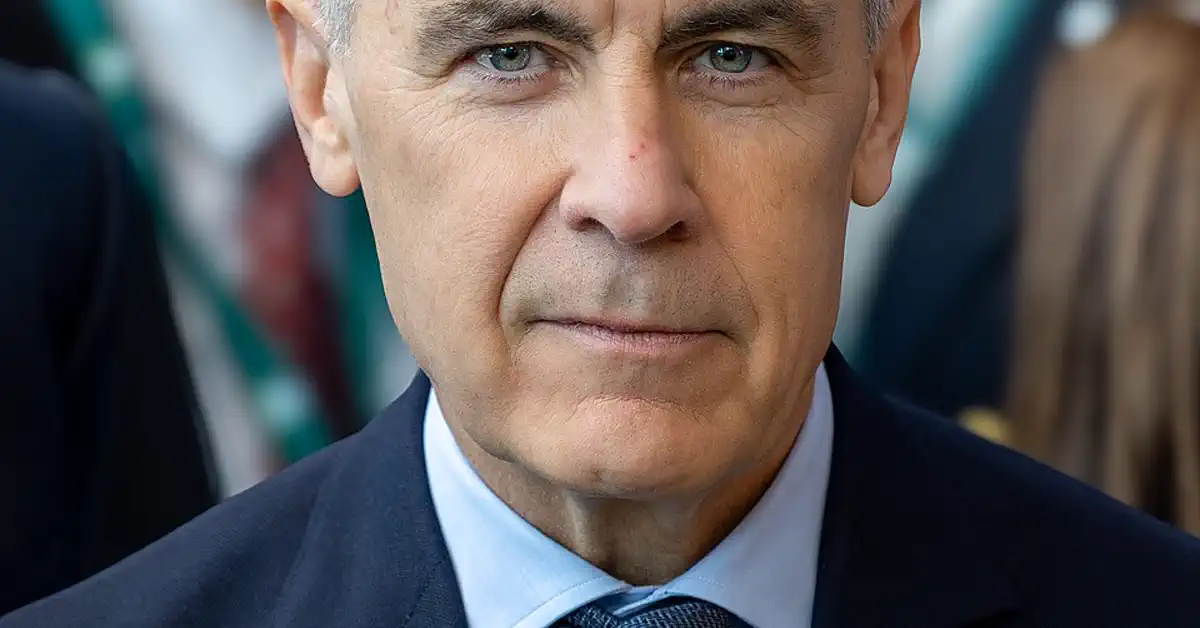
Canadian Prime Minister Mark Carney announced two billion Canadian dollars (approximately one and a half billion United States dollars) in new military assistance for Ukraine on Tuesday, June 16, 2026 at the second-day Ukraine session of the G7 summit in Evian-les-Bains, France, alongside a new round of Canadian financial sanctions against Russia, the Kyiv Post reported in its summit coverage. The announcement came after Canada dropped plans for the G7 to issue a strong joint statement on the war in Ukraine following resistance from the United States.
The Carney package places Canada among the three largest G7 contributors to the Ukraine military-aid supply chain across the post-2022 calendar. The combined Canadian commitment across the post-invasion period now exceeds nineteen billion Canadian dollars in military, financial, and humanitarian assistance.
French President Emmanuel Macron framed the Tuesday morning session with Zelensky as a unity-restoration push, with the host head-of-state telling reporters at the pre-session briefing the goal was to restore the rapprochement of positions among the G7 states on the three Ukraine-track elements of military aid, peace-talks framework, and post-active-phase security guarantees.
The structural shape of the Canadian package, which leans more heavily on the military-assistance side than on the financial-aid side that had been the operative pattern of prior Canadian contributions, signals a tactical shift toward direct combat-supplies positioning. The package includes air-defense equipment, the same priority Zelensky had been pushing for at the head of his summit agenda.
Canada's decision to drop the strong-joint-statement plan after US resistance is the most-watched structural development of the Tuesday session. The decision places the summit's revised non-communique format at the head of the closing-day cycle, with the Iran-deal joint statement from Monday and the Tuesday Ukraine working-format conversation now standing as the summit's two main public-facing diplomatic deliverables.
The US position on the proposed strong joint Ukraine statement places the Trump administration at the structural center of the late-summit diplomatic-positioning conversation. The administration's softer Ukraine posture, which had been signaled across the post-January-2025 cycle and crystallized in the recent Trump-Putin and Trump-Zelensky phone calls of the pre-summit window, leaves the European G7 members and Canada working through the bilateral-deliverable track rather than the collective-statement track.
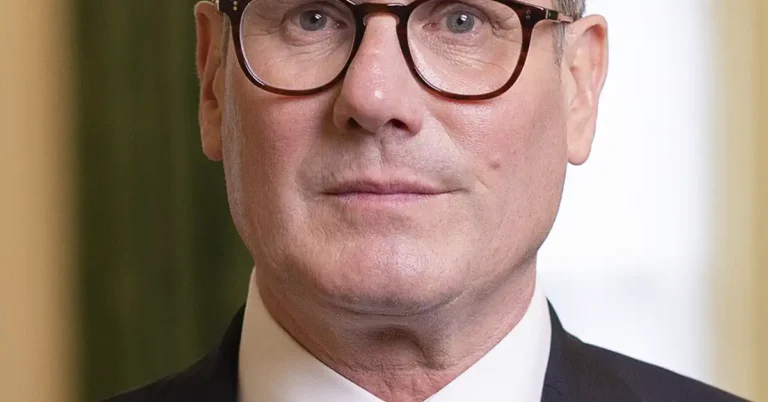
The Starmer UK package, which had been the centerpiece of the Tuesday morning announcements alongside the Carney commitment, fits inside the same European-G7-takes-the-lead structural pattern that the Tuesday cycle has produced. The UK shadow-fleet sanctions and nuclear-fuel-to-Ukraine deal, both announced earlier Tuesday, place Britain and Canada at the head of the day-two Ukraine-deliverables stack.
Zelensky's Tuesday morning ask at the summit was the air-defense package, with the Ukrainian president citing the continued large-scale Russian missile-and-drone attacks across the post-summit-launch window. The Carney announcement provides the first concrete air-defense supplement to that ask, with the UK enriched-uranium nuclear-fuel-power-station supply deal providing the parallel energy-resilience commitment.
The post-session diplomatic-positioning question that the Tuesday cycle leaves at the head of the closing-day Wednesday agenda is how the summit produces a coherent overall conclusion without the strong joint Ukraine statement. The Macron-led French presidency had signaled in the pre-summit briefing that area-specific outcome documents would replace the traditional sweeping communique, and the Tuesday cycle has produced the Ukraine-package-without-statement output that the new format produces.
The Trump-Zelensky bilateral, which had been the highest-leverage agenda question of the Tuesday cycle, did not produce a concrete-deliverable announcement at the close of the morning working session. The two presidents' separate phone calls from the pre-summit window remained the most-recent direct engagement of the post-January-2025 calendar, with the Tuesday in-person session providing the first face-to-face meeting since the spring window.
What sits ahead is the Wednesday closing-day press conferences and the Macron-hosted Versailles dinner that the French president has been positioning as the incentive for Trump to remain through the full three-day window. Whether Trump remains through Wednesday or departs earlier will shape the final-deliverables architecture, with the Carney commitment and the Starmer package now standing as the Tuesday cycle's structural outputs.