
Missouri Skydiving Plane Crash Near Butler Leaves 12 Dead
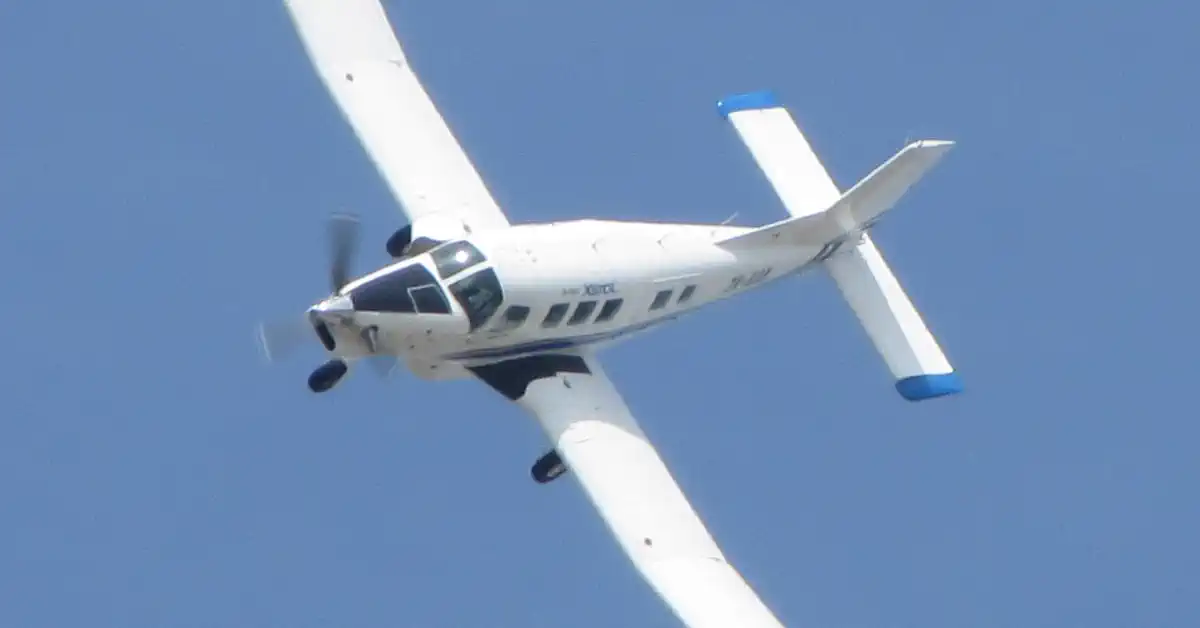
A skydiving plane operated by Skydive Kansas City crashed near Butler Memorial Airport in western Missouri at approximately eleven thirty in the morning on Sunday, June 14, 2026, killing the pilot and eleven skydivers aboard in one of the deadliest skydiving-related aviation incidents in the United States in decades, the Washington Post reported in its Sunday-afternoon update. The aircraft, a Pacific Aerospace P750 single-engine turboprop typically used by commercial skydiving operations, went down along Business Interstate 49 roughly sixty miles south of Kansas City.
Butler Memorial Airport acting manager Dennis Jacobs told reporters at the scene that the aircraft appeared to lose the altitude necessary for normal climb-out shortly after takeoff, made a sharp left turn, and may have been attempting an emergency highway landing when it struck the ground. Teams from the National Transportation Safety Board and Federal Aviation Administration were en route to the crash site Sunday afternoon to begin the formal investigation.
The structural shape of the Sunday-morning crash sequence is the operational data point the NTSB investigation will be parsing across the next twelve to eighteen months. The Pacific Aerospace P750, which has been one of the most widely deployed single-engine turboprop airframes in the commercial skydiving operations industry since its introduction in the late 1990s, has a relatively strong safety record across the broader US commercial-skydiving fleet. The Sunday Butler incident, with its sequence of climb-out altitude loss followed by sharp left turn and attempted highway landing, fits the pattern the NTSB investigators will be matching against the small set of prior P750 incidents that have produced similar climb-phase departures from the published flight profile.
The Skydive Kansas City operation that owned and operated the aircraft has been one of the longer-running commercial skydiving operators in the Kansas City metropolitan-area cluster, with an operations history that dates back to the late 2000s. The company has carried the FAA commercial-skydiving certification across the entire post-launch period and has not been the subject of prior enforcement actions visible in the FAA public database. The NTSB investigation will be working through the maintenance records, pilot duty-cycle logs, and weight-and-balance documentation across the next several months as the formal investigative cycle moves through its standard sequence.
The historical context that places the Sunday Butler crash inside the deadliest-skydiving-incident bracket of the past two decades is the comparative element the aviation-press cycle will be returning to over the next several days. The twelve-fatality count places the incident at the head of the post-2005 US skydiving-incident table by single-event fatality count, ahead of the previously most-deadly incident in the broader category. The skydiving-industry safety record had been improving steadily across the post-2010 period through a combination of equipment-standards revisions, pilot-training improvements, and aircraft-maintenance protocol updates that the United States Parachute Association had been pushing through its industry-standards working groups.
The Butler community impact is the second-order element the regional press cycle will be folding into the broader story across the next week. Butler is a community of approximately four thousand three hundred residents in Bates County, Missouri, and the skydiving operation at Butler Memorial Airport had been a familiar feature of the local economy and community awareness across its operating period. The eleven skydivers aboard, whose identities had not been publicly released as of the Sunday afternoon press update pending family notifications, included members from across the broader Kansas City-and-western-Missouri region according to the preliminary information released by the operation's communications office.
What sits ahead is the eighteen-month investigative cycle the NTSB will run through to produce the formal probable-cause determination that drives any subsequent regulatory action. The FAA's parallel investigation, which runs on a faster operational-fix timeline than the NTSB's longer-cycle probable-cause work, may produce interim safety directives within the next ninety days if the preliminary findings point to a maintenance, training, or aircraft-systems issue that warrants fleet-wide action. The broader US commercial-skydiving operator community will be watching the investigation closely, with the United States Parachute Association expected to issue its own community guidance once the NTSB preliminary report lands in roughly four to six weeks.